Destiny Peters
Nashoba Community
A Community crafted upon antislavery and education, based in Germantown, Tennessee.
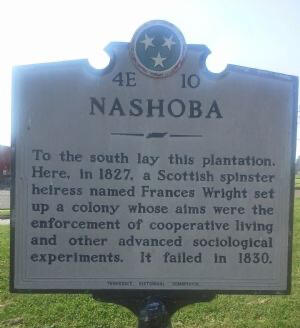
Historical Marker of Nashoba, Steve Maisler, 2015, Historical Marker Database
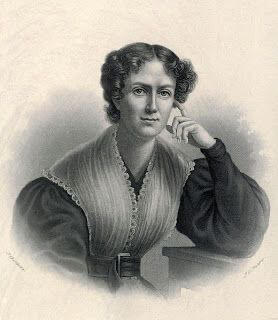
Frances Wright, Nagel & Weingaenther Lithogrophy Company from a portrait by Johan Gorbtiz c. 1852 National Portrait Gallery, Smithsonian Institution
Nashoba's Founder: Frances Wright
Frances "Fanny" Wright was a British author born in Scotland. She was well known for her writings well before her life within the Nashoba community.
Frances and her sister Camila were raised on radicalist views; their father, James Wright, was heavily influential in promoting Thomas Paine's Rights of Man, a book that argues for the fight for natural, human-born rights granted to Americans, in his European town. Her mother, Camilla Campbell Wright, was a British aristocrat.By the time she was three, both her mother and father had died, which left Frances with her sister and a lot of fortune. She and her sister were put into the care of her aunt for the remainder of their childhood.Wright, in the care of her aunt, had been granted an offer to take a complete tour of Europe; she declined and negotiated a trip with her sister Camilla to America.After witnessing the aggressiveness of slavery during her travels in America, she expressed the horrors she would see of black individuals being sold, forced to do labor, and she drew inspiration and composed Views of Society and Manners in America, one of her most notable travelogs, written from 1818-1820 and published in 1821. She would also write letters about what she had witnessed during her time in America to many individuals. As Wright and her sister traveled through the southern region of America, Frances would write letters to many individuals. One notable letter she wrote while in the United States states: "My heart is sick....I have seen [my fellow creatures] manacled when sold on board a vessel bound to New Orleans... I cannot write on this subject, and yet it preys so continually on my mind that I find it difficult to write on any other" (Wright to Julia Garnett, 30 October 1824, in Payne Gaposchkin 228). (Bedermen, 446).
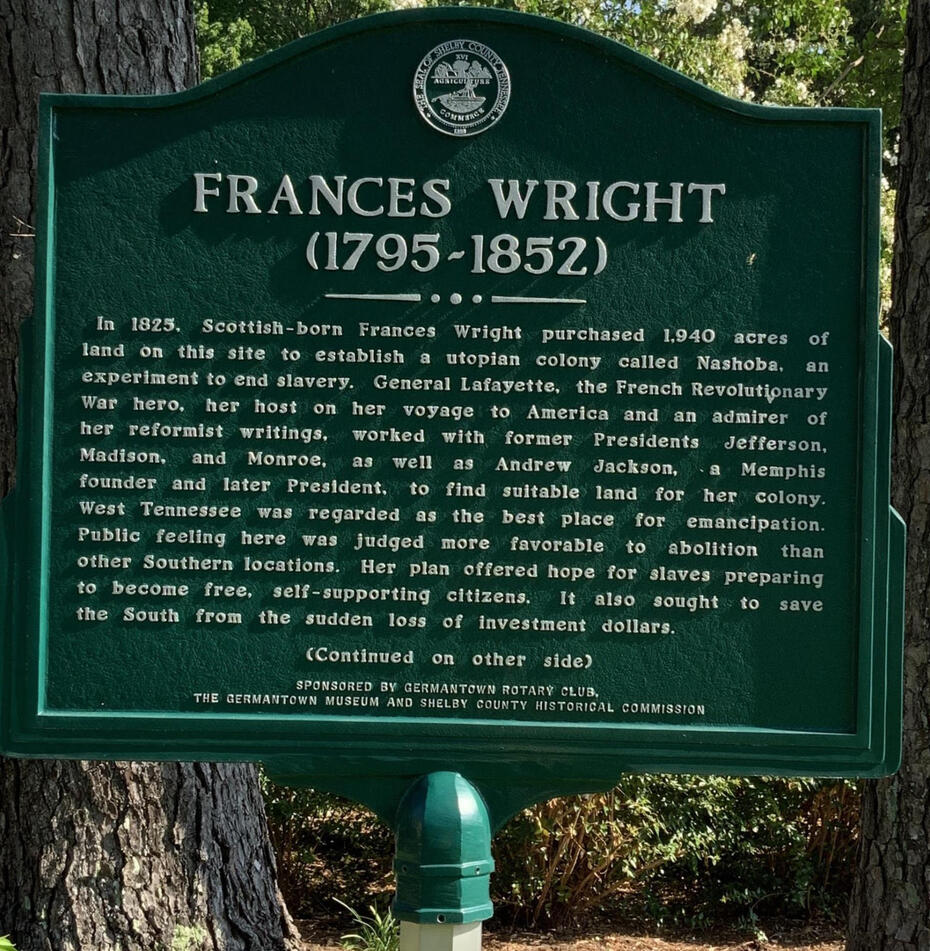
Historical Marker of Frances Wright, 2015, Historical Marker Database
After Wright wrote Views of Society and Manners in America, Marquis de Laffayette was strinkingly interested in her writings and invited her to visit him in Lagrange during her travels in America in 1821, the pair had grown very close with each other and sparked rumors of them having a romantic fling in an attempt to dispell the rumors, Wright suggested that Lafayette adopt her, his family strongly discouraged this, Lafayette instead extended Wright an invitation to his Farewell America Tour in 1824 all across the southern part of the United States. Wright left the tour after feeling discomfort when slaveholders would refer to Lafayette as the "Champion of liberty." She used the motivation to visit the utopian society in New Harmony, Indiana, that preached the importance of Owenism (founded by Robert Owen) to study the art of an interracial utopia.
Nashoba's Origins
After writing the travel logs, Wright purchased the land for Nashoba after Andrew Jackson gave her a tour of the lot. Wright purchased a two-thousand-acre lot located near Memphis, Tennessee.According to George Sapp's calculations, 100 slaves were able to work under a "united labor" system that would make them more efficient workers. Wright used this knowledge to her advantage; she figured that Nashoba Community would be able to build and work for itself through the slaves purchased.Wright believed that for a slave to appreciate the gift of liberty, they must understand the value of it, "to give liberty to a slave before he understands its value is perhaps, rather to impose a penalty than to bestow a blessing." (Emerson, 292).Finding funding for Nashoba was the community's first challenge. Lafayette would reach out to many different politicians and people, such as James Madison, James Monroe, Thomas Jefferson, Andrew Jackson, as well as Chief Justice John Marshal, to be in support of Wright's intended plan for Nashoba. No one had taken her offer to fund the community except for Lafayette, who offered her $8000; she had simply and thoroughly refused his finances, so eventually Wright had to finance everything herself.
Nashoba Community Photo, from a German Engraving, Tennessee Historical Society
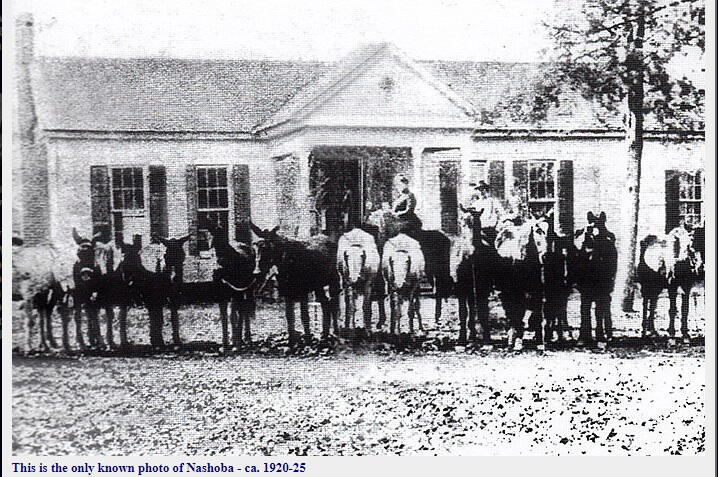
Known Members
The land was first purchased on April 19, 1825, and the community was established that same year. The community was able to gain membership through purchasing slaves.The first to join the community was an enslaved pregnant woman named Lukey and her six daughters from South Carolina. Their owner, Robert Wilson, negotiated a price for them with Wright to become part of her community. Later on, eleven other slaves were purchased from South Carolina, and some white individuals that including Wright's sister Camila, helped Frances' plan to jump into full effect.Wright never intended for Nashoba to be viewed as a utopian society; she wanted to create a community that could educate one another, more specifically, the purchased slaves.
Problems and Challenges
Wright took a leave that was never publicly announced, and she appointed a few individuals to take charge of the community as her board of directors, which included Wright's sister, Camila Wright, and two other unnamed members. She also granted them the deed of the Nashoba property and the enslaved families. While under the leadership of the board of directors in Nashoba, the previously enslaved families were forced to pay $6000 plus 6% interest for their homes, leaving the black Nashobans to work even harder for their freedom.The summer of 1827 was the impending avalanche that broke it all for Nashoba; the trustees had countless scandals against them, and there was public sexual abuse occurring between the trustees and slaves, and numerous accounts of slaves being tortured by the trustees. The most notable scandal was a quasi-Godwinian "free love" regime within the colony. There were rumors of interracial marriage occurring within the colony, but Wright was absent and approved of the actions of the trustees.Without Wright's knowledge, Nashoba had completely collapsed, and the white trustees left without a word to Wright.

Aftermath
By January of 1828, Wright found her community completely abandoned, with the exception of the slaves who were in chains and cuffs, continuing to do their labor. Wright was wallowing in the self-pity of her failed plan for six months until she reached an acceptance stage, that which she had not completed any of the productive work she intended to. Wright simply gave up on the project and moved on to other projects. For another two years, Nashoba's slaves remained in physical constraints, continuing their labor on the land of Nashoba. Wright became aware of this and sent them onto a boat towards Haiti, finally giving the slaves what she promised, which became the second wave of the community as Wright fulfilled her promise of guiding the slaves towards freedom. Once the slaves arrived, Wright transferred ownership of them to President Jean Pierre Boyer. No further evidence of what conspired after the slaves arrived.Wright's vision of success was entirely different compared to what panned out for this society. Frances simply thought all she had to do was buy the land, and it would pay for itself with its slaves. I feel that is where she went wrong.
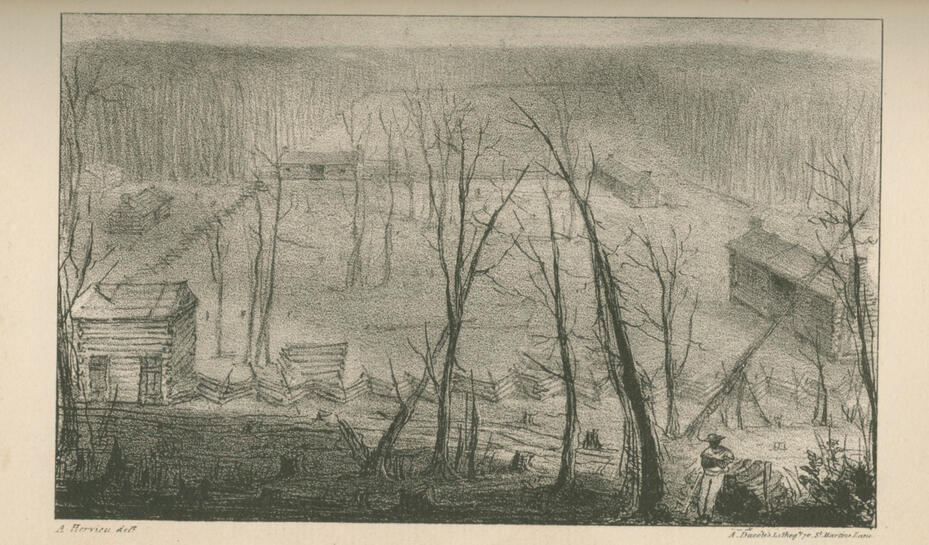
Lithograph of Nashoba from Frances Trollope’s Domestic Manners of the Americans, 2nd edition, volume I (London, 1832)
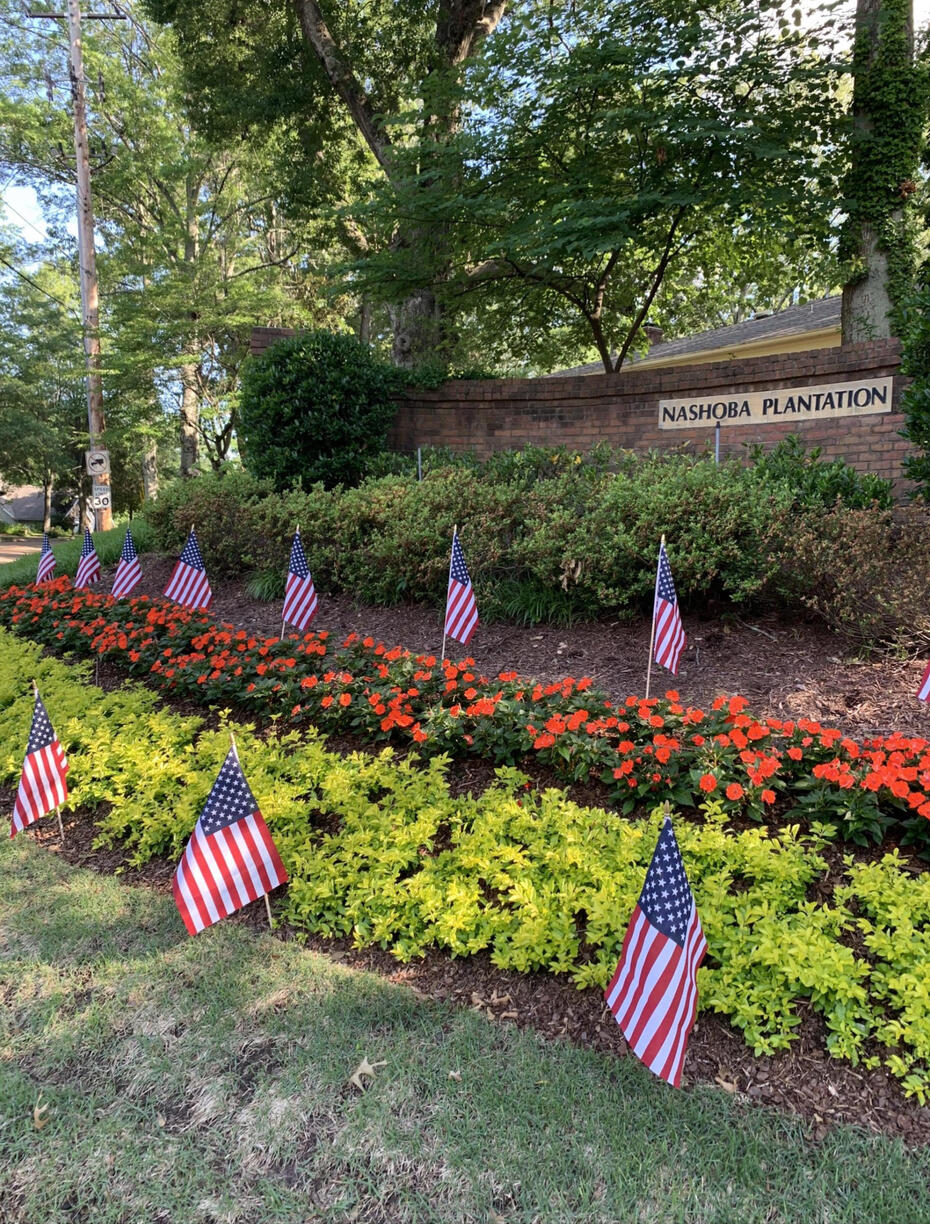
Today, the land still exists. As of 2023, there are individuals who stay on the land and make the plantation into their home in Germantown, Tennessee. The common saying of history repeating itself is shown within this community as people remained on the land and created their own community.
Works Cited
Egerton, John "Nashoba", Tennessee Encyclopedia, 01 March 2018, Nashoba ArticleBederman, Gail "Revisiting Nashoba: Slavery, Utopia, and Frances Wright in America, 1818-1826", American Literary History, Vol. 17, No. 3, Symposium Issue: Race, Ethnicity, and Civic Identity in the Americas (01 October, 2005), pp. 438-459 (22 pages)City of Germantown, "Historic Haven", 16 March 2023, Germantown, Tennessee ArticleEmerson, O.B., Tennessee Historical Quarterly, Vol. 6, No. 4 (DECEMBER, 1947), pp. 291-314 (24 pages),